 Call us: (732) 520-3386
 Email us: info@redsurgetechnology.com




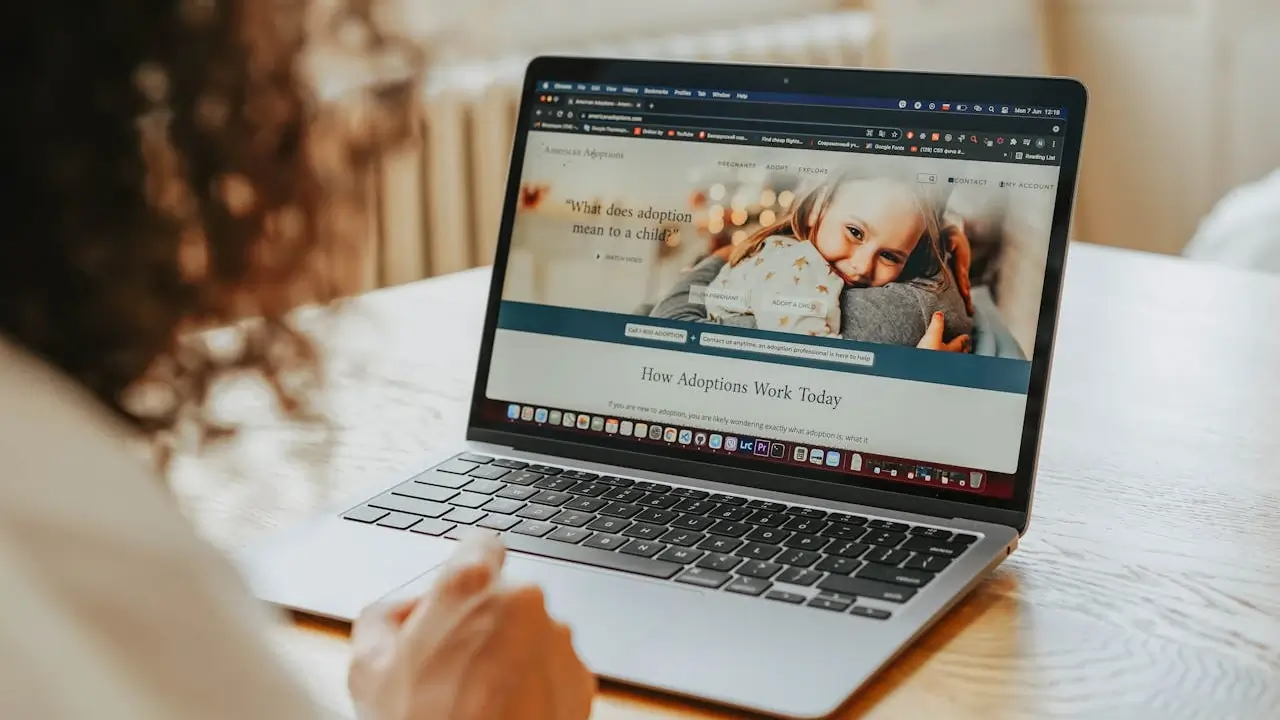
If you ask most small business owners what they want in a new website, the answers are usually the same.
They want something modern. Something clean. Something professional.
They may mention animations, sleek graphics, custom icons, or a design that “looks high-end.”
Those things can be nice to have, but they usually are not what determines whether a website actually performs.
The websites that generate leads, rank on Google, and help businesses grow are rarely the ones packed with trendy extras. They are usually the ones built around fundamentals: speed, clarity, trust, and usability.
That’s the difference many business owners miss.
A website should not just look impressive. It should function like a business asset.
This guide breaks down the website features that actually matter in 2026 — especially for small businesses that want more calls, more inquiries, and better visibility online.
Want help improving your website? Request a free audit and we’ll show you exactly what’s helping or hurting your current site.
A Great Website Starts With Clarity
One of the most common problems on business websites has nothing to do with design quality.
It’s confusion.
A visitor lands on the homepage and can’t immediately tell:
- what the company does
- who they help
- where they work
- why they should choose them
When that happens, people leave quickly.
Your homepage should answer those questions almost instantly.
If you’re a roofing company in Monmouth County, say that clearly. If you build websites for local contractors, say that clearly. If you offer SEO services for New Jersey businesses, make that obvious.
Many websites try to sound clever when they should be trying to sound clear.
This is one reason some businesses struggle online even with decent-looking websites:
👉 /blog/why-your-website-isnt-ranking-nj
Speed Is a Feature, Even if It Doesn’t Look Like One
Business owners often think of features as visible things: calculators, forms, galleries, animations, booking tools.
But one of the most valuable features a website can have is speed.
A fast website feels more trustworthy. It feels more professional. It reduces friction and increases the chances that someone stays long enough to contact you.
A slow website does the opposite.
Even if your design is excellent, users get frustrated when pages lag or content loads awkwardly. Google also pays attention to performance, which means speed can affect rankings.
This matters even more on mobile, where many customers first discover local businesses.
If your site loads slowly, start here:
👉 /blog/improve-website-page-speed-seo-nj
Your Contact Options Should Never Be Hidden
Some websites unintentionally make it difficult to become a customer.
The phone number is buried in the footer. The contact form asks for too much information. There’s no clear call-to-action on important pages.
That creates unnecessary resistance.
The best small business websites make contacting the company feel effortless.
Your phone number should be visible. Your contact page should be simple. Buttons like “Request a Quote,” “Call Now,” or “Book a Consultation” should appear naturally throughout the site.
Visitors should never need to wonder what step comes next.
If they do, many of them leave.
Trust Signals Matter More Than Fancy Design
When someone visits your website, they are often comparing you to other businesses.
They may have multiple tabs open. They may be deciding in real time who feels safest, most professional, or easiest to work with.
That means trust matters.
Good trust signals include:
- Google reviews
- testimonials
- before-and-after results
- years in business
- certifications
- recognizable clients
- portfolio work
These elements reduce hesitation.
They help people feel comfortable reaching out.
This is especially important for local businesses where reputation drives conversions:
👉 /blog/how-to-get-more-google-reviews-monmouth-county-nj
Mobile Design Is No Longer Optional
There was a time when mobile optimization felt like an upgrade.
That time is long gone.
For many businesses, most website traffic now comes from phones. If your site feels awkward on mobile, you are losing opportunities every day.
A strong mobile website should feel intentional, not squeezed-down desktop design.
That means readable text, comfortable spacing, easy-to-tap buttons, and layouts that adapt cleanly to smaller screens.
Modern responsive layouts help significantly here:
👉 /blog/css-grid-layout-responsive-web-design
A website that works beautifully on desktop but poorly on mobile is incomplete.
Service Pages Usually Outperform Generic Websites
Many small business websites rely on one broad “Services” page.
That often limits rankings and conversions.
Why?
Because users search for specific needs.
They don’t always search for “law firm.” They search for “estate planning attorney.” They don’t search for “contractor.” They search for “kitchen remodeling” or “roof repair.”
That’s why separate service pages are so valuable.
A focused page about one service gives Google clearer relevance signals and gives users a page tailored to exactly what they need.
It also creates more opportunities to rank organically.
Local Businesses Need Local Signals
If you serve a specific geographic area, your website should reflect that clearly.
A Monmouth County business should mention Monmouth County. If you serve Freehold, Red Bank, Middletown, Howell, or surrounding towns, that should be represented naturally throughout the site.
This helps users know you serve them, and it helps search engines understand your service area.
Too many businesses leave location relevance vague.
That weakens local SEO.
If local rankings matter to you, read:
👉 /blog/the-local-seo-guide-for-ocean-monmouth-county-businesses
And if Maps visibility is a priority:
👉 /blog/google-business-profile-optimization-monmouth-county-nj
Good Design Should Guide Action
Design is not just about aesthetics.
Its real purpose is guidance.
Strong design helps visitors understand where to look, what to read, and what to do next. It creates flow.
Weak design creates friction.
That could mean cluttered pages, poor spacing, too many competing buttons, confusing menus, or sections that feel visually chaotic.
A clean layout with clear hierarchy often outperforms more complicated designs.
Your website should feel easy to use, not impressive to look at for five seconds.
This is especially true in the first visible section of a page:
👉 /blog/above-the-fold-website-design-best-practices
Accessibility Helps Everyone
Accessibility is sometimes misunderstood as a niche concern.
It’s not.
Accessible websites are often easier for everyone to use.
Readable contrast, proper heading structure, clear forms, keyboard-friendly navigation, descriptive buttons — these improvements help users broadly, not just a small segment of visitors.
Accessibility also tends to align with better structure and usability overall.
If your site has never been evaluated through that lens, start here:
👉 /blog/web-accessibility-for-beginners
The Features That Often Matter Least
Many businesses overspend on things that sound exciting but rarely move the needle.
That can include:
- autoplay videos
- homepage sliders
- excessive motion effects
- overly complex chatbots
- trendy design gimmicks
- decorative clutter
These are not always bad. They simply matter far less than owners assume.
If your messaging is weak, speed is poor, trust is missing, and CTAs are unclear, flashy extras will not solve the real problem.
What a High-Performing Small Business Website Usually Includes
The best websites for small businesses tend to share the same core traits.
They are fast.
They are clear.
They are easy to navigate.
They build trust quickly.
They work on mobile.
They make contacting the business simple.
They target the right services and locations.
They remove confusion instead of adding it.
That combination consistently outperforms trend-driven websites.
If Your Website Is Not Helping Your Business
A lot of owners assume their website is “fine” because it exists.
But if it is not generating leads, supporting sales, ranking well, or strengthening credibility, it may be underperforming.
Sometimes the fix is not a full rebuild. Sometimes it is better messaging, stronger calls-to-action, faster performance, or more strategic service pages.
Other times, the site has simply aged out.
If that sounds familiar, read:
👉 /blog/7-signs-your-monmouth-county-small-business-website-needs-a-redesign
The Bottom Line
The best website features for small businesses in 2026 are not the flashiest ones.
They are the ones that create results.
A website should make it easy for people to trust you, understand your value, and contact you without hesitation.
That is what drives leads.
Everything else is secondary.
Frequently Asked Questions
What is the most important website feature for a small business?
Usually clear messaging combined with easy contact options and fast load speed.
Do I need a chatbot?
Not necessarily. Many businesses perform better with a visible phone number and simple contact form.
How many pages should a business website have?
Enough to clearly cover your services, locations, trust signals, and contact information.
Should I include reviews on my website?
Yes. Reviews help build trust and increase conversions.
Is redesigning worth it?
If your site is outdated, slow, confusing, or not producing leads, it often is.
Written by Collin Stewart, founder of Red Surge Technology. We build websites that help businesses grow through smart design, SEO, and performance. Want a website that actually works? Request a free audit.